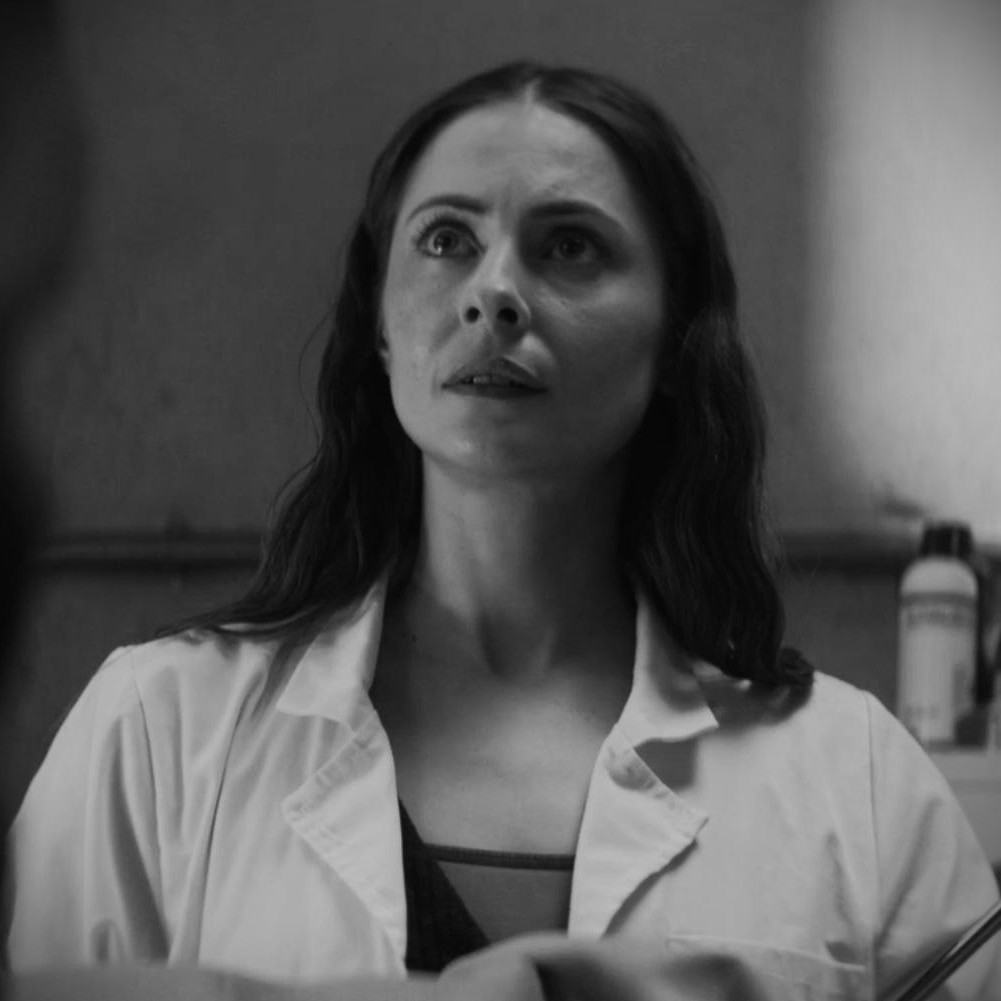
Prediction in The Mortuary Assistant and Exit 8
If you have ever been in a room with a dead body, you may be familiar with that creeping conviction that the deceased might suddenly open their eyes and start talking. I think this, and much of corpse-based horror in media, is rooted in what Fisher describes as The Eerie: fear born from a presence where you expect absence, or absence where you expect presence.
The dead and their usual stomping grounds (cemeteries, morgues, etc.) do both of these things—your brain is unsettled by the absence of life, lack of movement, lack of warmth, and tries to fill in the gaps with all the little vital signs you’re used to. But then your rational mind, which knows dead things don’t move, gets freaked out by your own overactive amygdala.
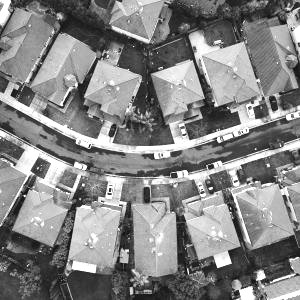
Model Home
Model Home by Rivers Solomon was recommended to me by a friend sometime last year, after I’d mentioned having an interest in architecture horror—things in the vein of Mark Z. Danielewski’s House of Leaves, the indie horror game Anatomy by Kitty Horrorshow, and the movie You Should Have Left (2020) with Kevin Bacon and Amanda Seyfried. My friend, having neither read the book itself nor heard of those other things I’ve listed, thought Model Home might fit that bill.
It doesn’t, really. Instead, this novel is undeniably a haunted house story, written with a deep understanding of the subgenre, bordering on metatextual.

White Zombies and Black Horror
In a sugarcane mill in rural Haiti, a cane grinding pit emits a creaking groan as a ring of hollow-eyed men push the mill arms around and around. More men ferry bags of sugarcane up and down the warehouse mezzanine. One stumbles and falls backward into the bladed pit. He does not scream. The others push on, heedless of the casualty. As long as their master lives, their work will never end.
This scene from Victor Halperin’s White Zombie (1932) illustrates the terror at the center of the zombie myth: loss of personhood and autonomy.
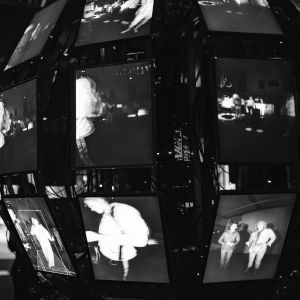
Past and Present Visions of the Future: Hum (2024), The Dream Hotel (2025)
The thing about contemporary sci-fi and speculative fiction is that it’s hard to instill that stirring, dreading awe at the concept of a dystopian future when that future is now. Works in these genres are most successful when they immerse the reader in worlds that don’t just feel real because they’re detailed and lived in and complex, but because they also reflect our current world in ways that make you think. Even if the setting is a little too fantastical to be a plausible future, we can still see the warning in how those worlds came to be.
These days, though, it’s hard to find that kind of dystopian story. Scifi and speculative fiction of the past had at least a decade or two before their predictions came true.